
Do I Need Rubber Flooring for My Home Gym?

The right home gym flooring does more than make your setup look finished. Rubber gym flooring creates a durable training surface between your equipment and the floor underneath, helping protect your space from the impact, wear, and everyday abuse that comes with strength training. It can also help reduce noise and vibration while giving you better traction underfoot when it’s time to lift.

Whether you’re building a garage gym, basement gym, or dedicated workout room, adding rubber flooring can help protect both your space and your equipment. From heavy squats and deadlifts to dumbbell workouts and everyday training, a solid foundation makes your home gym ready to put in the work.

Should I Choose Rubber Gym Mats or Interlocking Tiles?

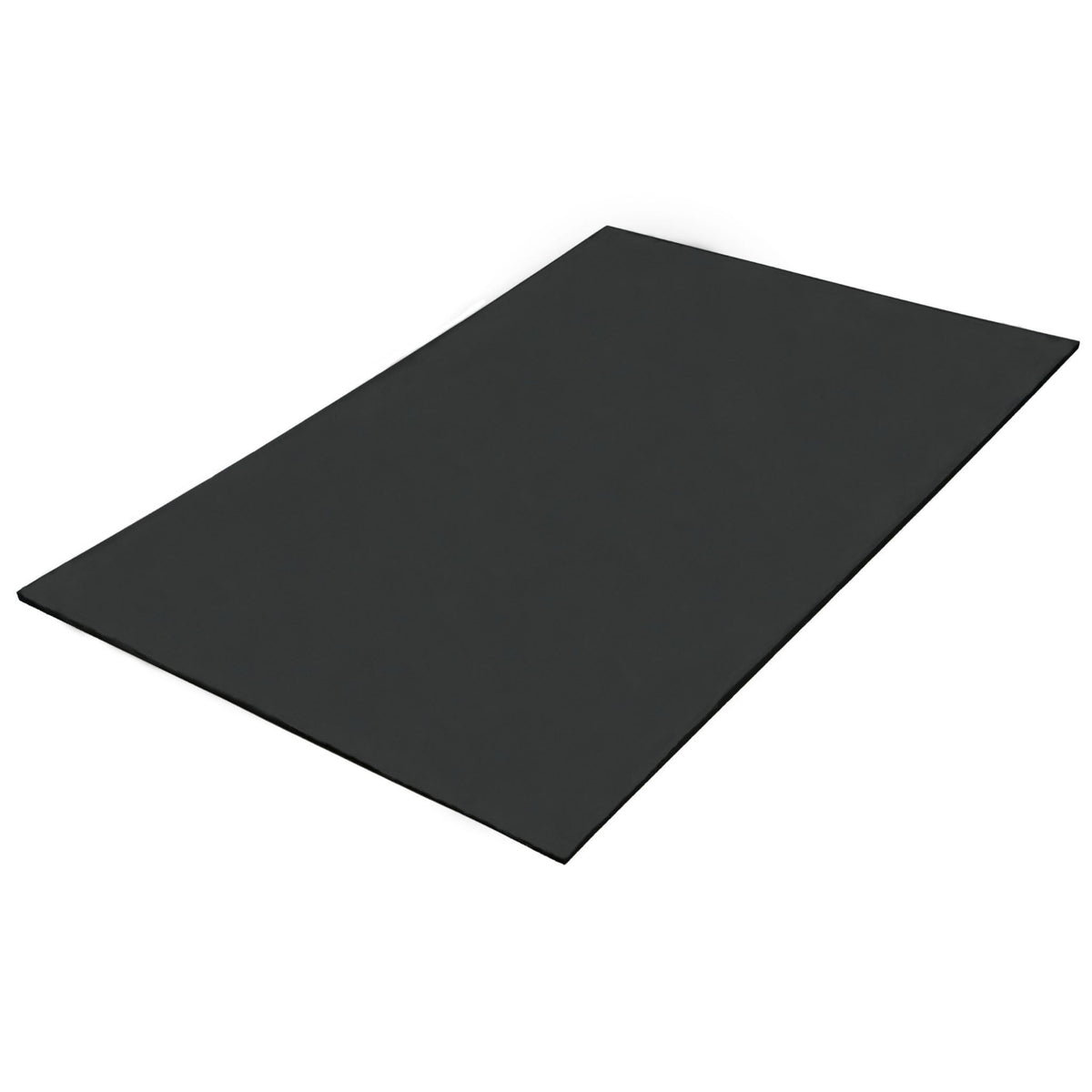
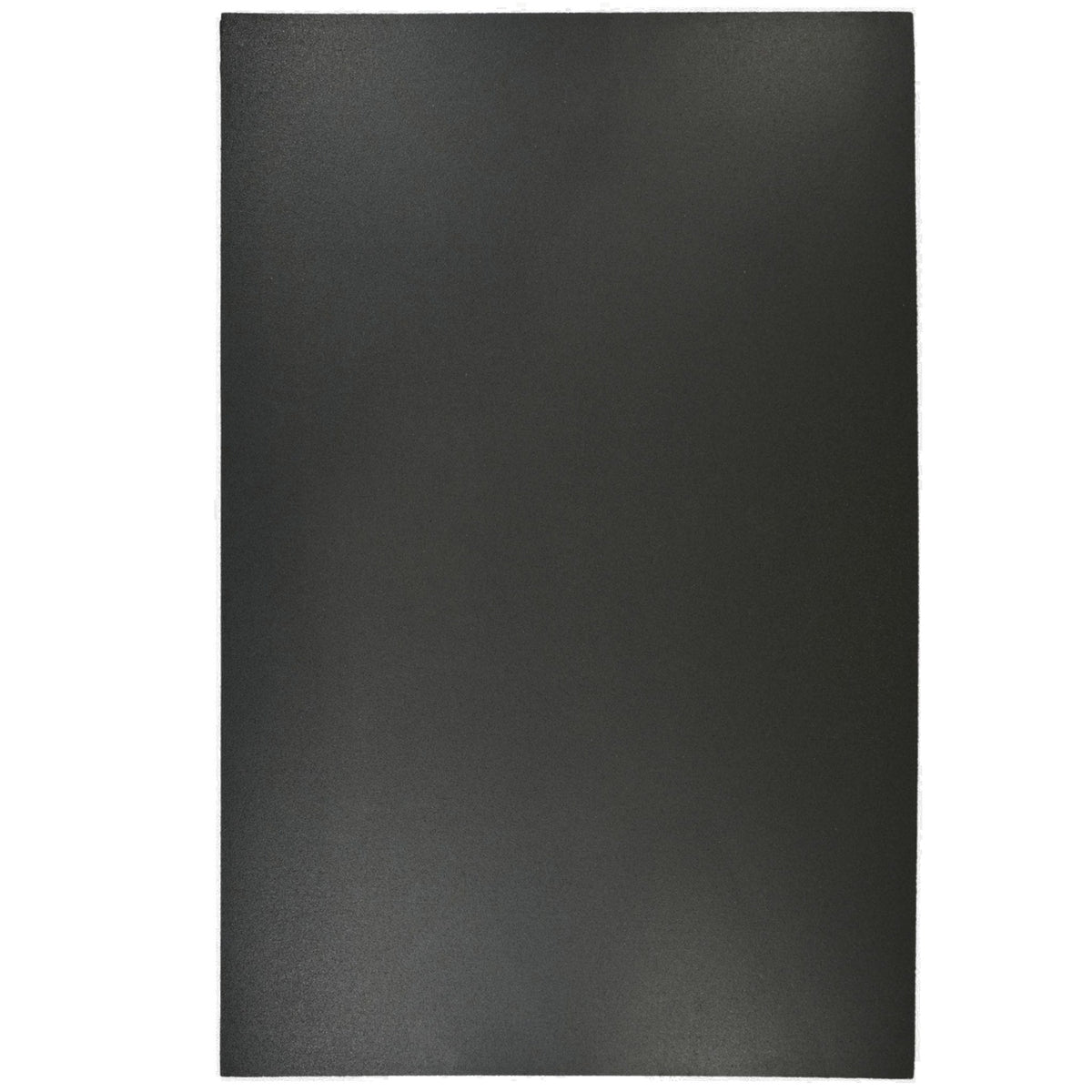
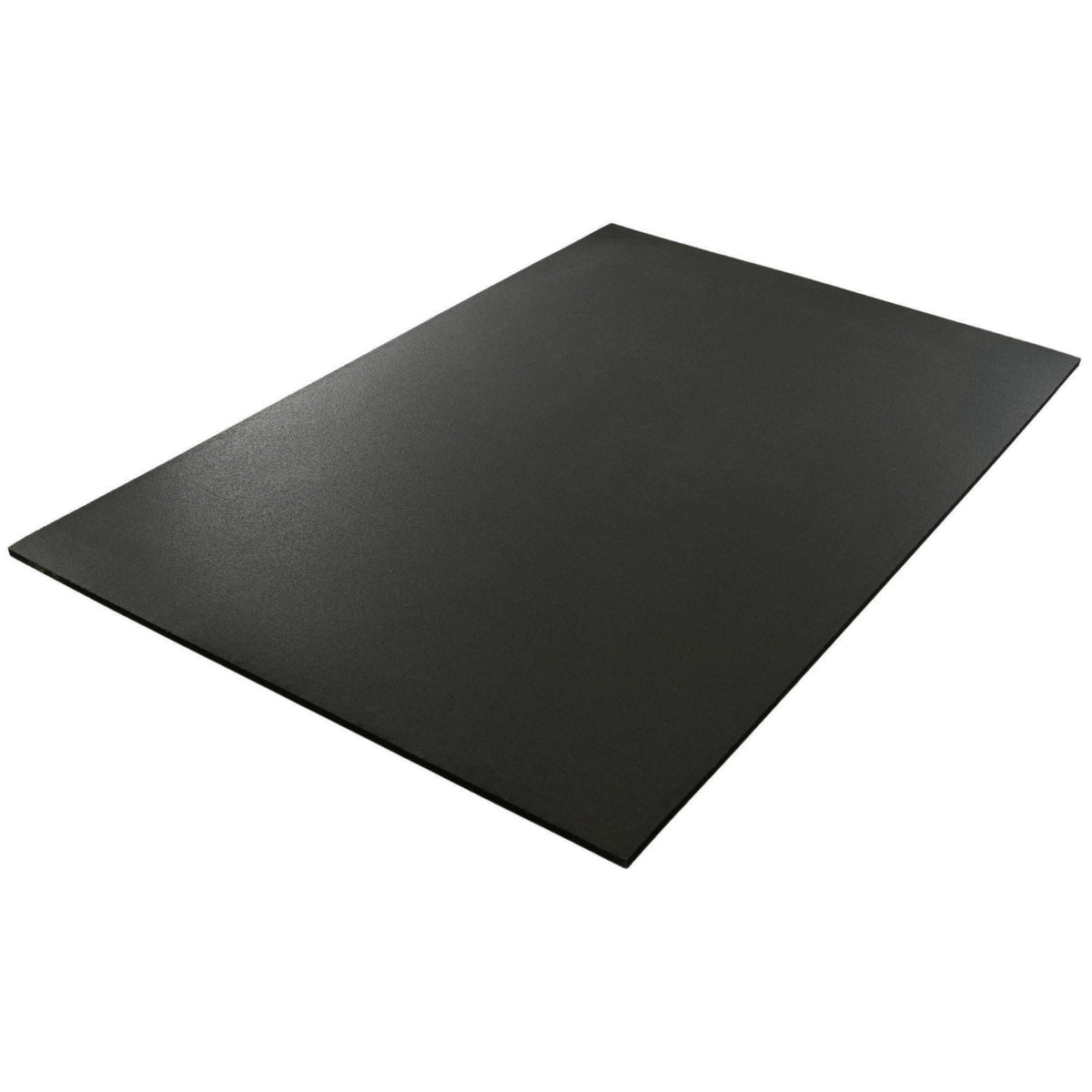
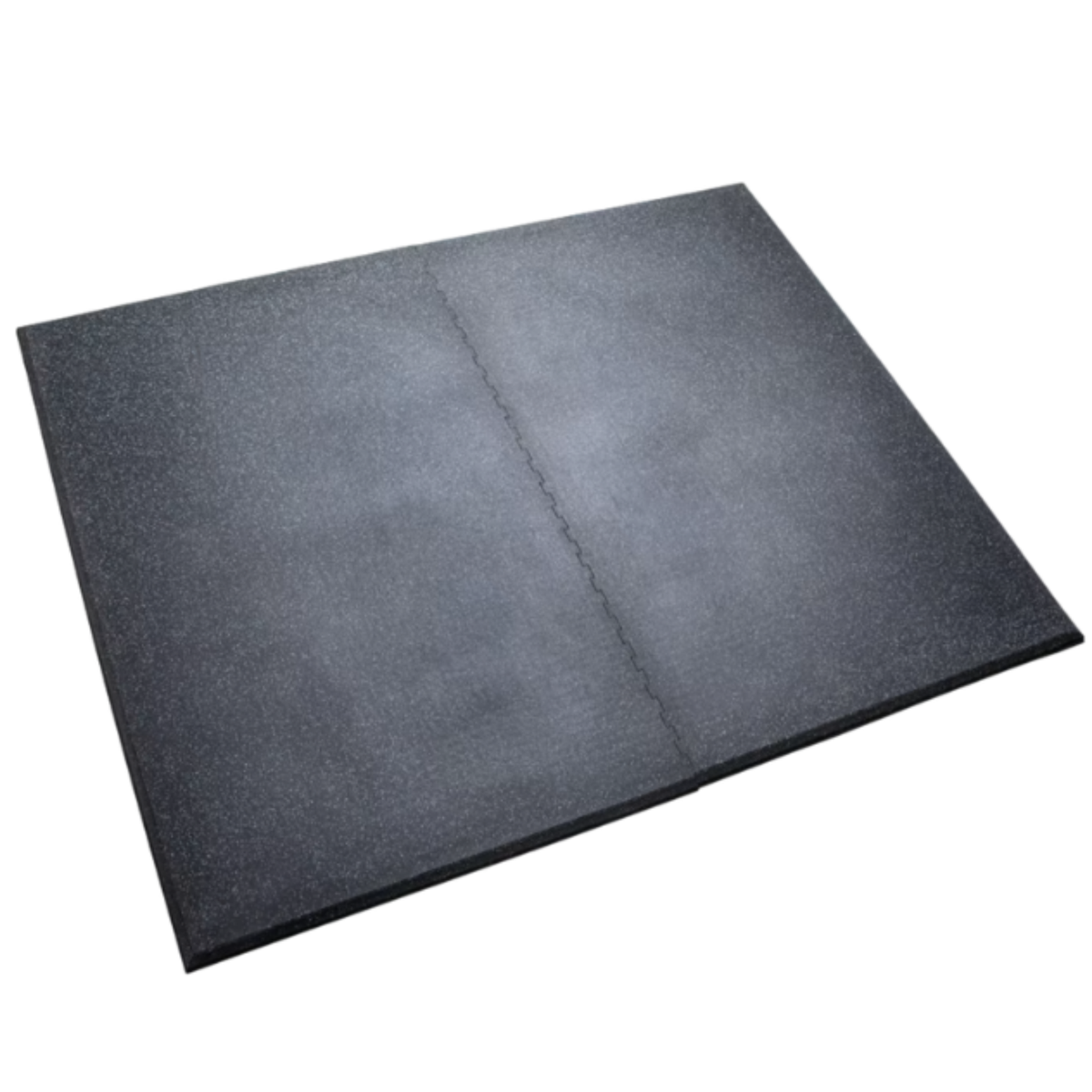
Both rubber gym mats and interlocking flooring tiles can create a durable surface for your home gym, but the right option depends on your space. Large rubber mats are a simple way to cover your primary training area with a thick, heavy-duty surface, making them a great choice underneath squat racks, free weights, and other strength equipment.

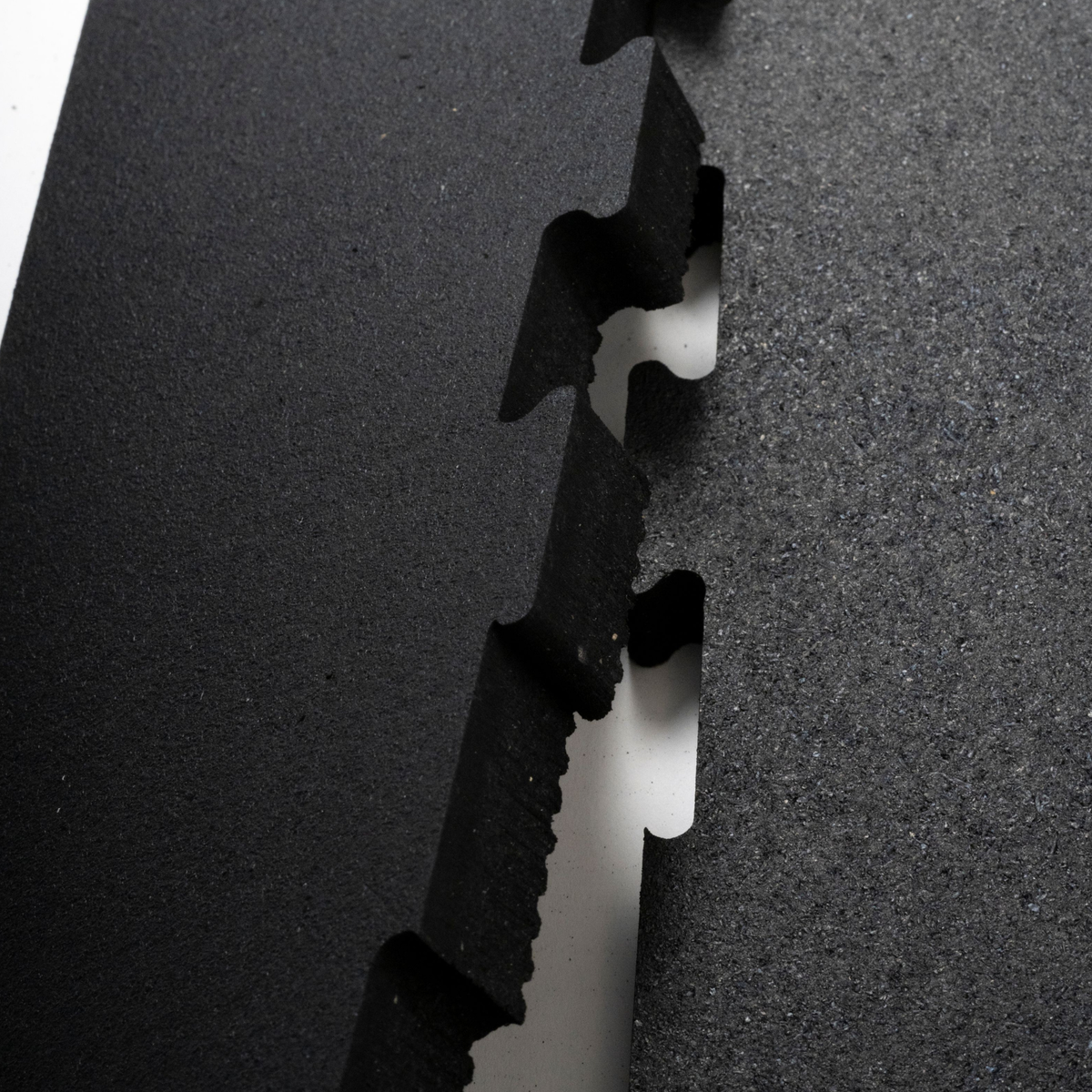
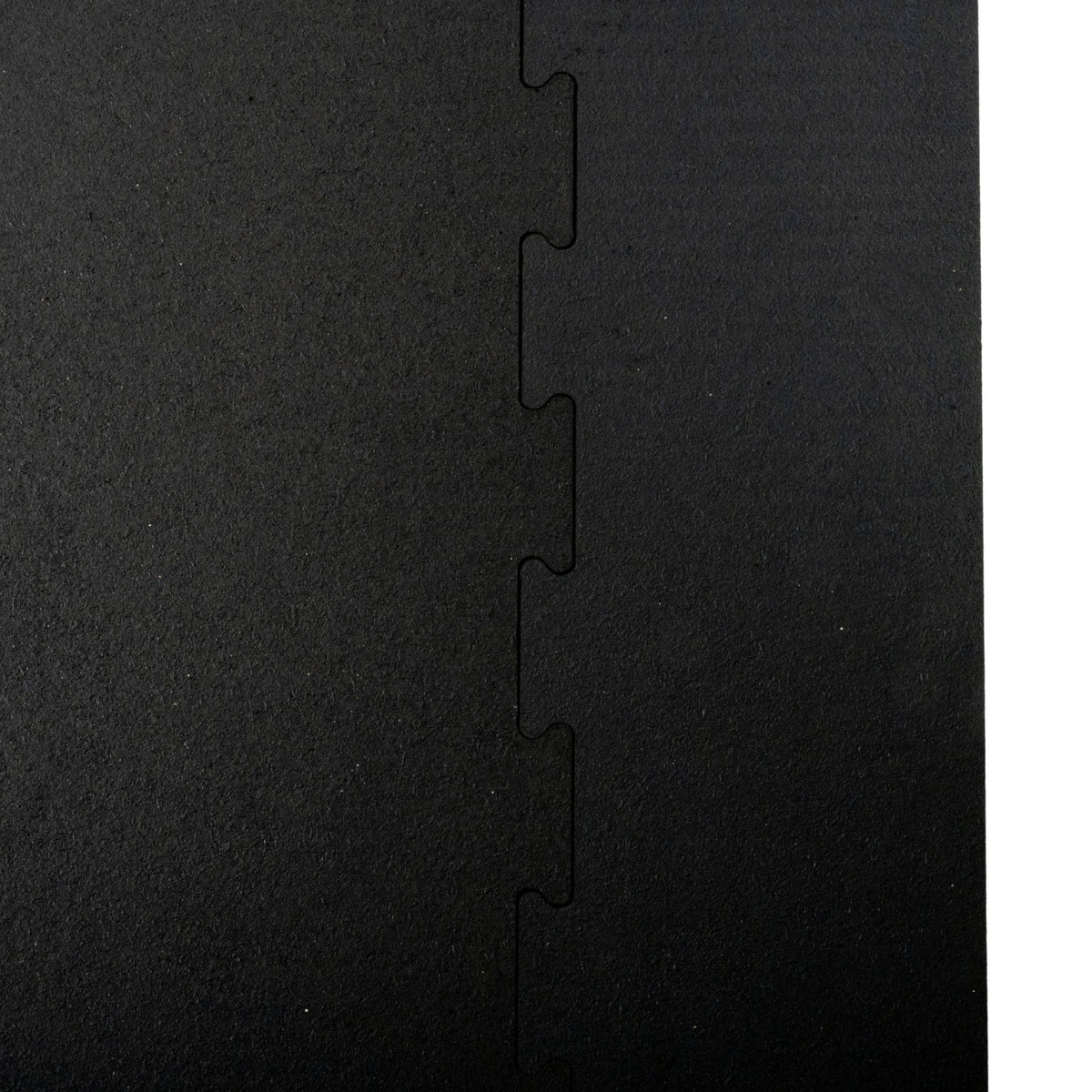
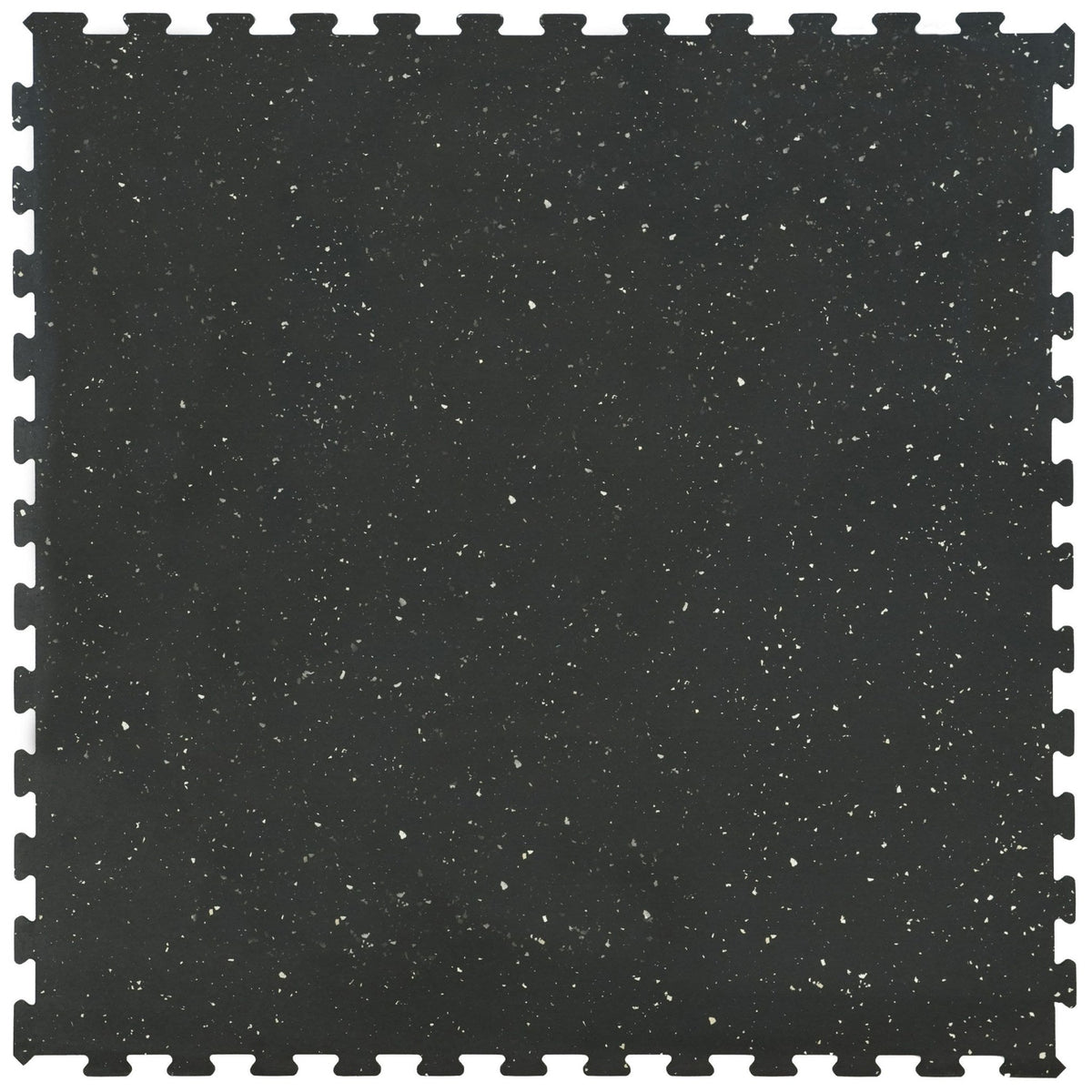
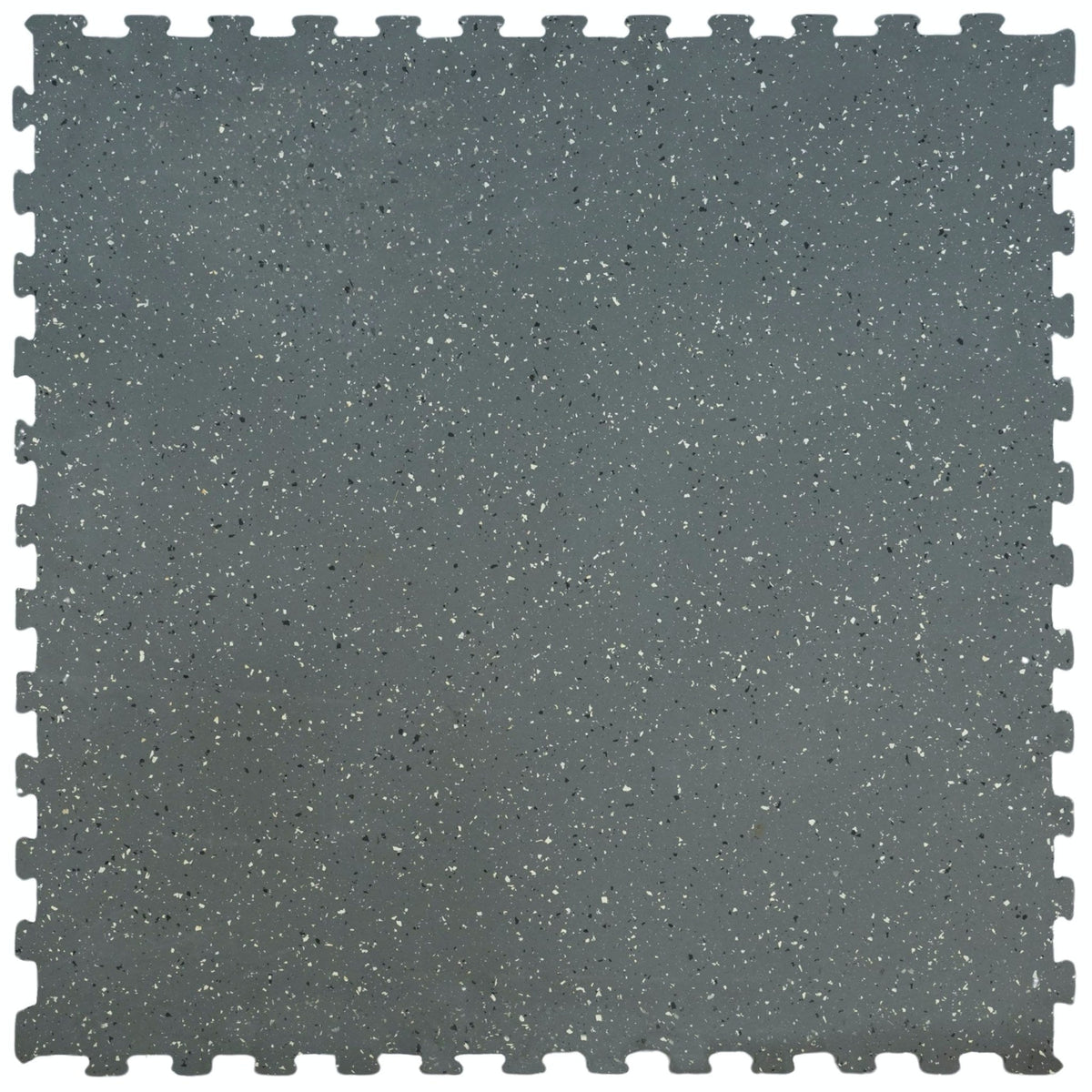
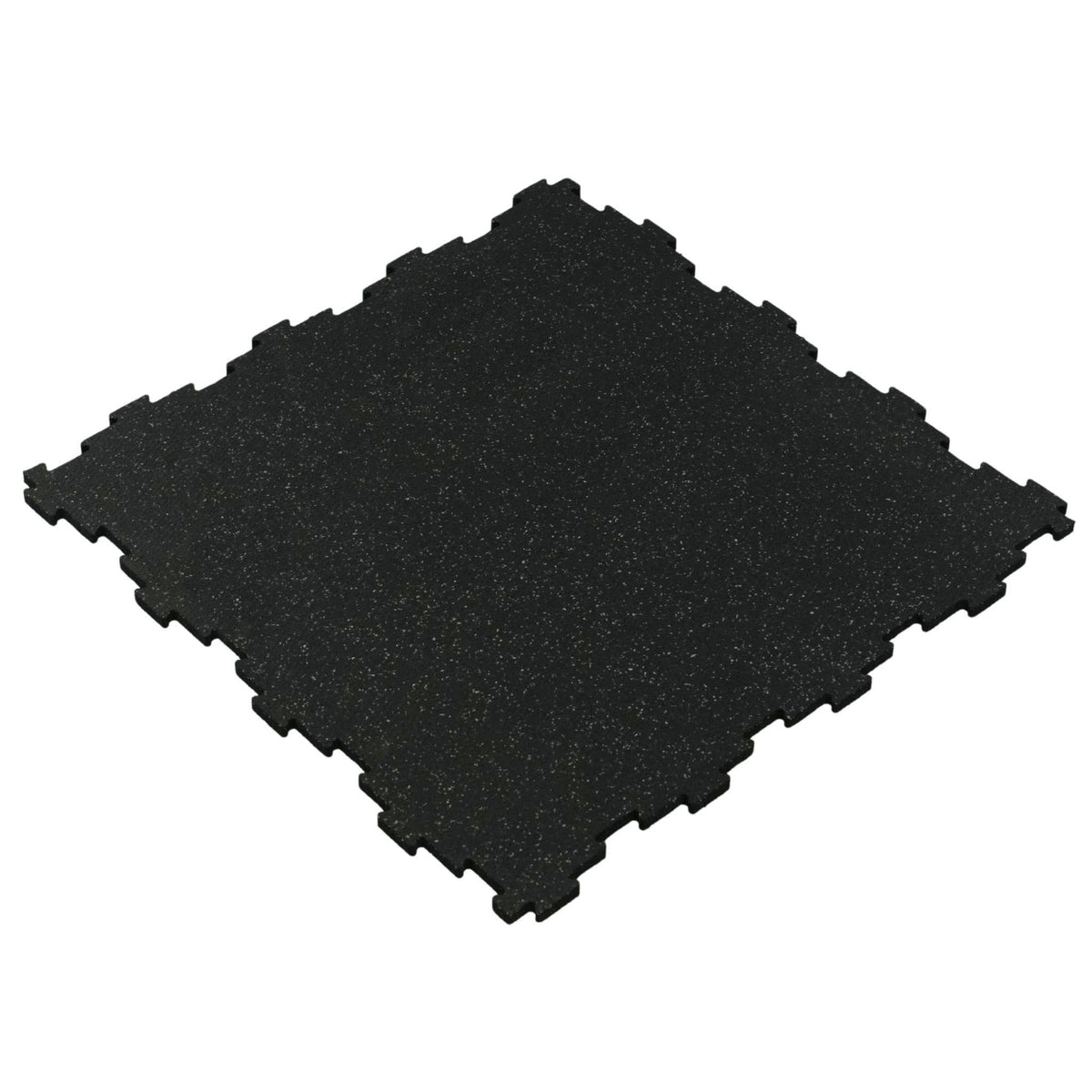
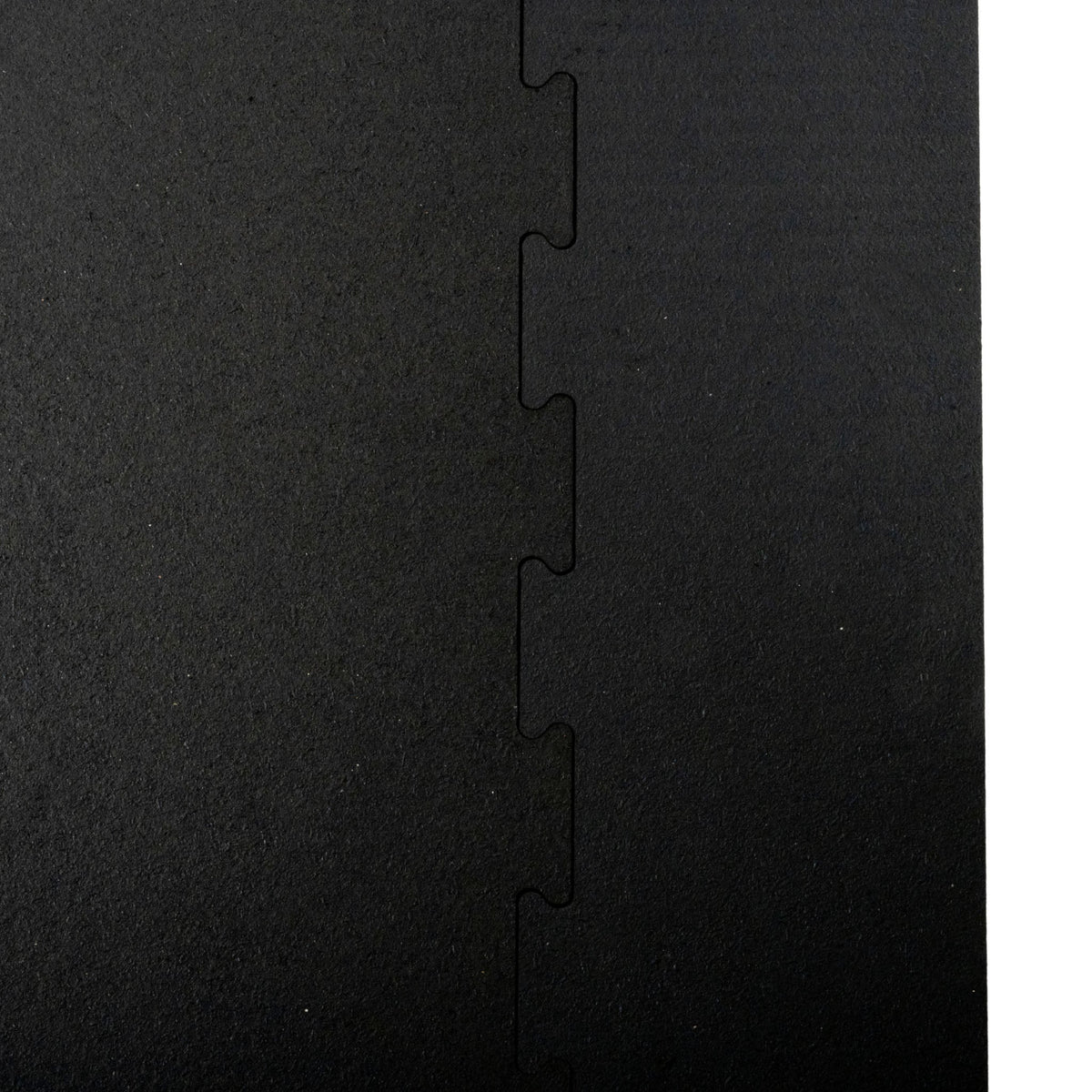
Interlocking rubber tiles give you more flexibility when you want to cover a larger area or create a more finished look throughout your gym. Individual tiles connect together without adhesive, making it easier to customize the flooring to the size and shape of your room. Whether you need to cover one lifting area or build out an entire gym floor, choose the option that fits your space, equipment, and training style.

How Much Flooring Do I Need for a Home Gym?

Start by measuring the area you actually plan to use for training. If you only need flooring beneath your squat rack, bench, or free-weight area, you may not need to cover the entire room. A few strategically placed rubber gym mats can give your highest-impact areas the protection they need while keeping the rest of your space open.

For a dedicated home gym or larger training area, rubber flooring tiles can make it easier to create wall-to-wall coverage. Consider the footprint of your rack and other equipment, the space you need to move comfortably around it, and where you'll be using or setting down weights when determining how much flooring you need.

Your rack might be the centerpiece of your home gym, but everything starts from the ground up. Give your training space a foundation built to handle the work.

Not Sure What Rack To Choose?